

Gipsy Anne
Fante-Anne
This long-neglected tale of a love triangle is regarded as Norway’s first authentic indigenous feature.
Even if a screening is sold out, tickets are often available 30 minutes before the start of the film at the box office at each venue.

- Director-Producer-Screenwriter Rasmus Breistein
- With Aasta Nielsen, Einar Tveito, Lars Tvinde
- Norway 1920
- 74 mins
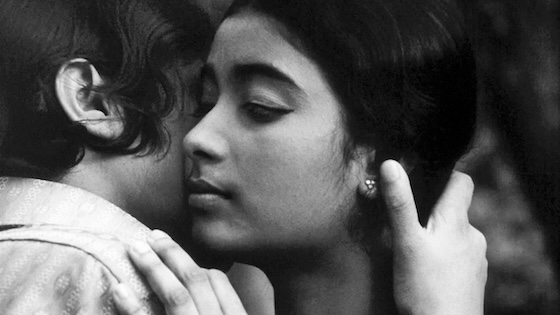
Regarded as Norway’s first authentic indigenous feature, Fante-Anne was the directorial debut of Rasmus Breistein, best known for his later idyll, The Bridal Party in Hardanger. The film also kick-started the string of bucolic romantic melodramas, using natural landscapes, which typified Norwegian silent cinema, most of them directed by Breistein. Long neglected, but now newly restored by the Norwegian Film Institute, with a folk-themed score by Haldor Krogh, Fante-Anne is a revelation: a love triangle between gypsy foundling Anne, her stepbrother, and a farmhand, Jon, the film is charming, painterly, dramatically truthful and uniquely Norwegian. In short, a rare treat.
Clyde Jeavons
Rasmus Breistein filmography
1920 Fante-Anne (Gipsy Anne)
1921 Jomfru Trofast; Felix
1926 Brudeferden i Hardanger (The Bridal Party in Hardanger)
1930 Kristine Valdresdatter
1932 Skjærgårdsflørt
1934 Liv
1938 Ungen
1939 Hu Dagmar
1941 Gullfjellet
1942 Trysil-Knut
1943 Den nye lægen
1948 Jorden rundt på to timer [doc]
1952 Tirich Mir til topps [doc]
London 1920
- Director Hans Berge
- Norway 1920
- 16 mins
A movie snapshot of London in 1920, culminating in the timeless ritual of the Changing of the Guard, captured by prolific, world-travelling Norwegian cinematographer Hans Berge.

Become a Member
Get early booking access and enjoy year-round benefits with BFI Membership.
Join today
Festival brochure
Download our digital BFI London Film Festival 2025 brochure, compatible with most screen readers.
Download brochure


