

After the Curfew
Lewat Djam Malam
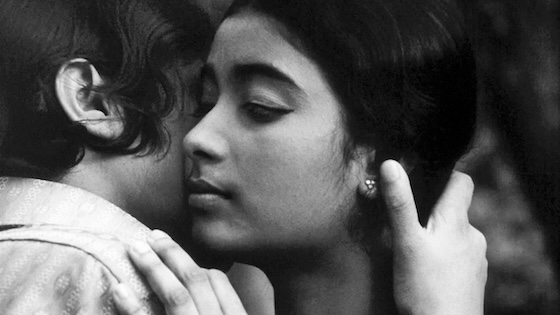
This little-known but highly significant drama from Usmar Ismail depicts the aftermath of the four-year Republican revolution which ended Dutch rule in Indonesia.
Even if a screening is sold out, tickets are often available 30 minutes before the start of the film at the box office at each venue.

- Director Usmar Ismail
- Producer Usmar Ismail, Djamaluddin Malik
- Screenwriter Usmar Ismail, Asrul Sani
- With AN Alcaff, Netty Herawaty, RD Ismail
- Indonesia 1954
- 101 mins
Restored by the National Museum of Singapore and the World Cinema Foundation. In association with the Konfiden Foundation and the Kineforum of the Jakarta Arts Council.
Martin Scorsese’s World Cinema Foundation continues its mission to find and revive key examples of film history from the furthest threatened corners of the archival world with this rarity. A characteristic work of passion by the ‘father’ of Indonesian cinema, Usmar Ismail, After the Curfew observes a crucial moment of conflict in Indonesian history: the aftermath of the four-year Republican revolution which brought an end to Dutch rule. It is a film about anger and disillusionment, about the dream of a new society cheapened and perverted by government repression and bourgeois complacency. A playwright and founder of Maya, a drama collective that began during the Japanese occupation, Ismail was constantly engaged in his films with the evolution of Indonesian society, with After the Curfew turning out to be his greatest critical and commercial success.
Clyde Jeavons

Become a Member
Get early booking access and enjoy year-round benefits with BFI Membership.
Join today
Festival brochure
Download our digital BFI London Film Festival 2025 brochure, compatible with most screen readers.
Download brochure


