

- Films and events
- Events
- LGBTQIA+ Stories: From the Page to the Screen
LGBTQIA+ Stories: From the Page to the Screen
A panel of authors and screenwriters discuss adapting LGBTQIA+ books for film.
Screening dates and booking
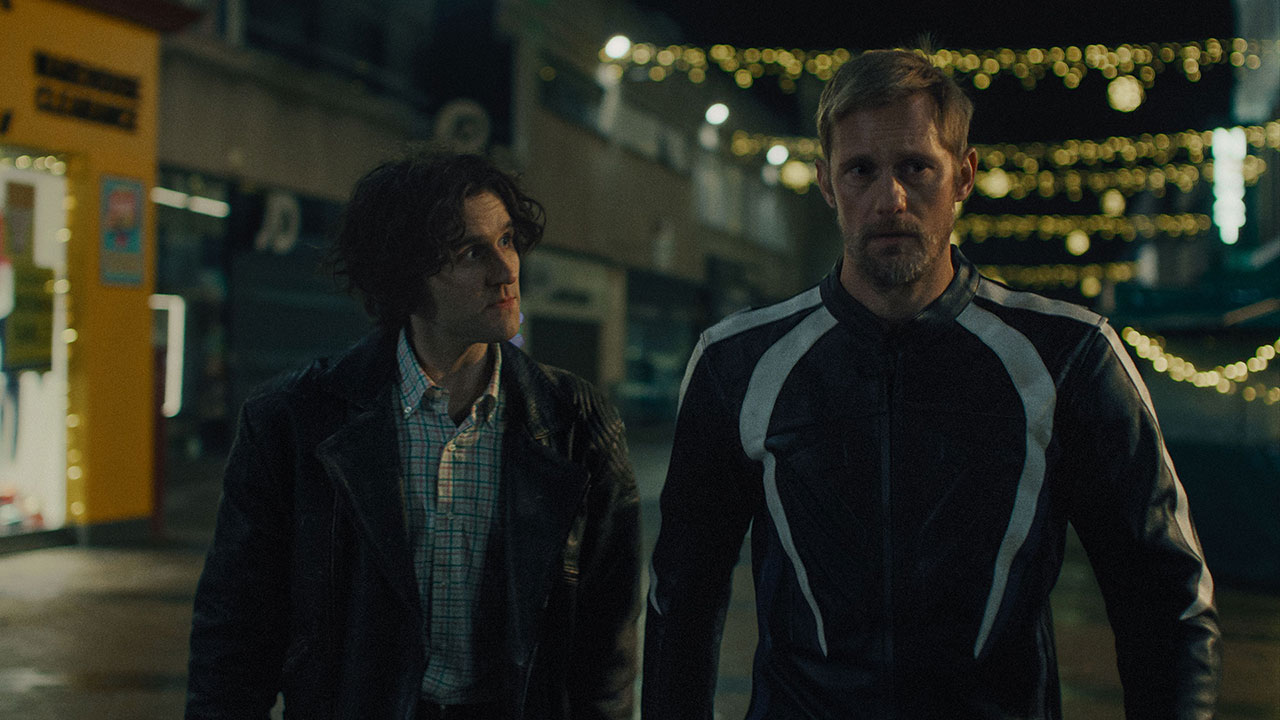
Photograph: Pillion (Dir. Harry Lighton)
Credits
-
60min
Introduction
From Pillion to Heartstopper, many LGBTQIA+ films and series begin life as books. In this session, Layla McCay, author of The Queer Bookshelf (Scribe, 2026), is joined by screenwriters and authors to explore the journey from page to screen. What makes a book adaptation-worthy? How do stories evolve in production? And what does it mean to an author to experience seeing their work transformed on screen?
Panellists
- Sarah Waters, author of Fingersmith, Tipping the Velvet
- Nathaniel Price, script writer for TV, radio and theatre, including the BBC series Mr Loverman
- Emily Hayward-Whitlock, Screenwriters Agent and Head of Book to Film at The Artists Partnership
Hosted by Layla McCay, author of The Queer Bookshelf.
How to book
This event is free and open to all (subject to age restrictions).
Ticket booking opens on Thursday 12 March at 12pm midday.
Tickets for free events are over-allocated to account for no-shows. Tickets do not guarantee entry and work on a first-come, first-served basis – arrive early to avoid disappointment. Doors will open 15 minutes before the advertised time. Seating is unallocated, unless otherwise stated.
Please bring your booking confirmation and collect your ticket at the event entrance.
Our programmers recommend...
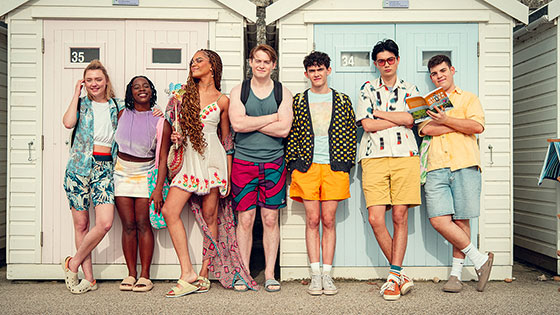
Heartstopper Forever!
Join us for an exclusive talk exploring the creative journey of the Heartstopper phenomenon, from the beloved graphic novel and the groundbreaking Netflix series to the upcoming film.
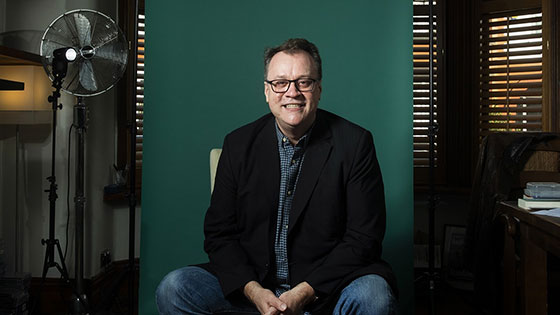
Screen Talk: Russell T Davies
Russell T Davies joins us to discuss his acclaimed career and upcoming Channel 4 show Tip Toe.
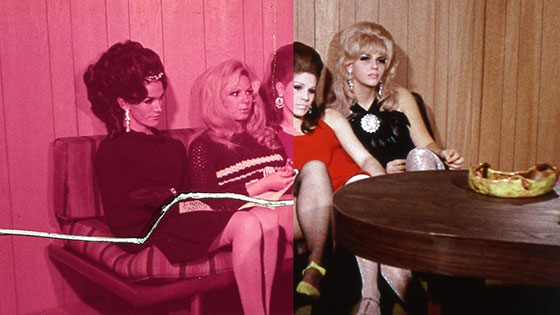
Reel Queer History: Preserving LGBTQIA+ Cinema
Film archivist Todd Wiener joins us to discuss LGBTQIA+ film restoration and preservation.
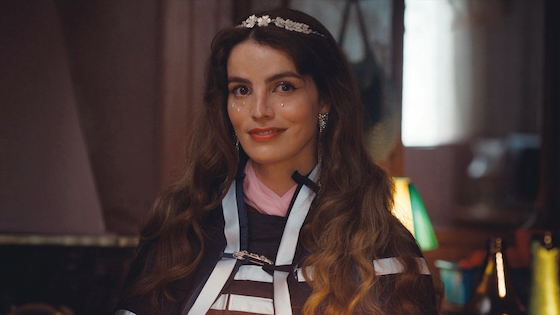
BFI Membership
Become a BFI Member from £39 to enjoy priority festival booking as well as other great benefits all year round.
Join today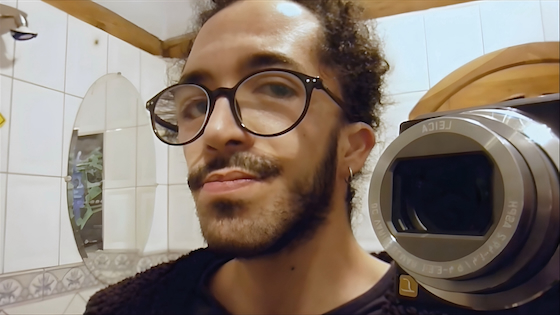
Screenings and events with access provision
Making BFI Flare: London LGBTQIA+ Film Festival as welcoming, inclusive and accessible as possible for everyone.
Find out more

2026 festival brochure
Download our digital festival brochure (PDF) for the 2026 edition of the festival.
Download brochure

