 Southbank
Constructed, Told, Spoken: A Counter-History of Britain on TV
In the postwar era, Afro-Caribbean and South Asian Britons began to construct a new identity – a distinct form of hybrid British life – using television as a medium to advocate for their political and social representation.
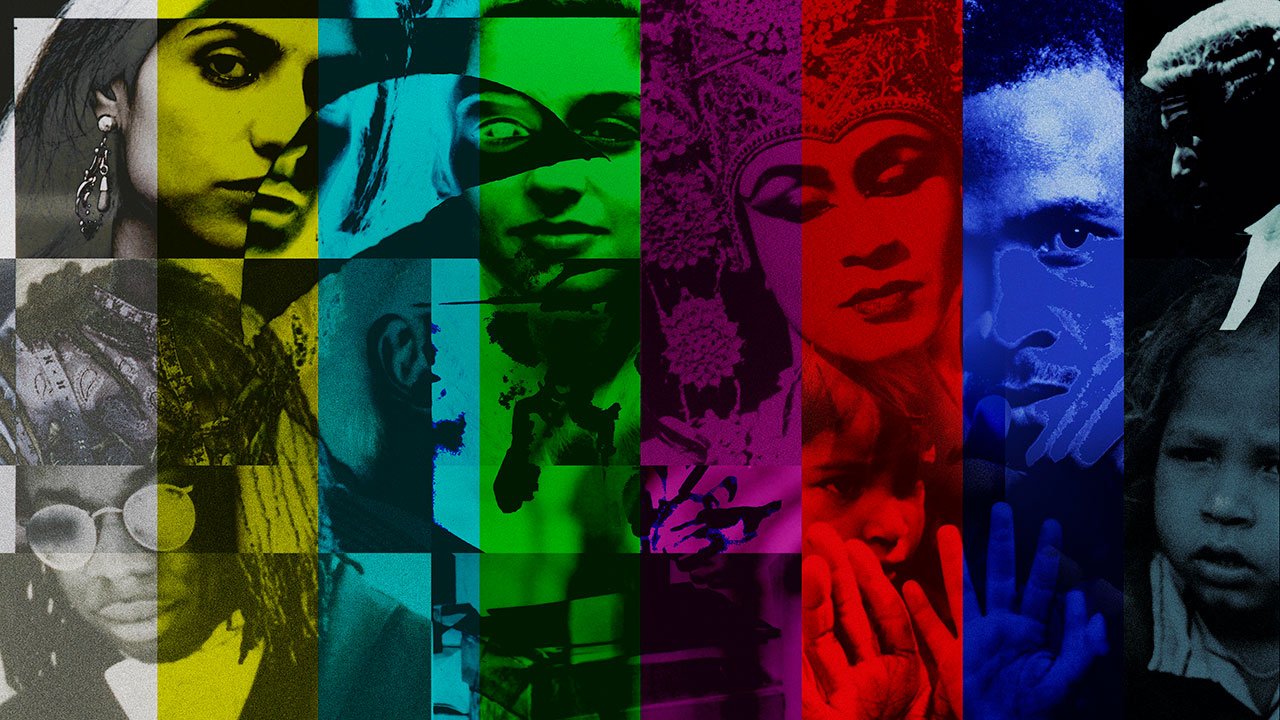
‘The fact is ‘black’ has never been just there either. It has always been an unstable identity, psychically, culturally and politically. It, too, is a narrative, a story, a history. Something constructed, told, spoken, not simply found.’
– Stuart Hall
As British society changed, a multicultural perspective emerged. Out of political advocacy multicultural television grew in parallel. A radical television movement that institutionalised a multicultural counter-positioning in Britain. This reached its height in the media with the advent of multicultural programming units – collectives of Black and Asian media workers – that were formalised in broadcasting institutions (BBC, ITV – as ATV and LWT – and Channel 4). The units underwent constant transformation, downsizing and reinvention, often addressing similar issues and themes across the decades. These shifts in tone and context create a distinctive archive of programming that leaves behind an alternative televisual counter history of Britain that cyclically considers the nation through a Politically Black (Black and South Asian) and multicultural perspective.
The archive of multicultural programming reflects community anti-racist resistance, investigation institutions and the state and the emergence of a global diasporic culture that fostered connections back to the Caribbean, Africa and Asia. This programming was created through advocacy creating new spaces that pushed back against Britain’s imperial mindset. It tells a story of Britain as it really was – a cultural terrain where multiculturalism was won.
Xavier Alexandre Pillai, season curator
With thanks to
Dick Fiddy
List of the units
BBC: Immigrant Programmes Unit, African-Caribbean Unit, Asian Programmes Unit, Multicultural Department, Channel 4: Multicultural Programming Unit, ITV: London Minorities Unit
Events
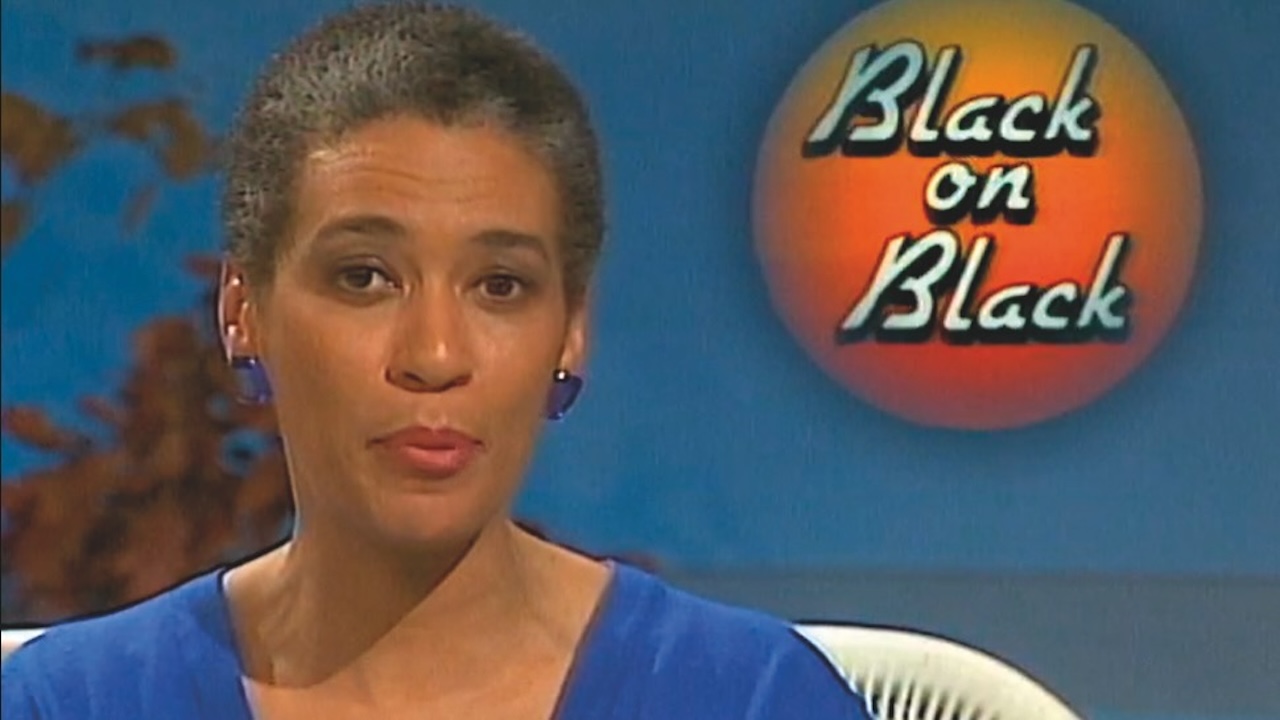
Constructed, Told, Spoken Season Introduction
This introductory discussion looks at the themes, issues and events featured in this season.
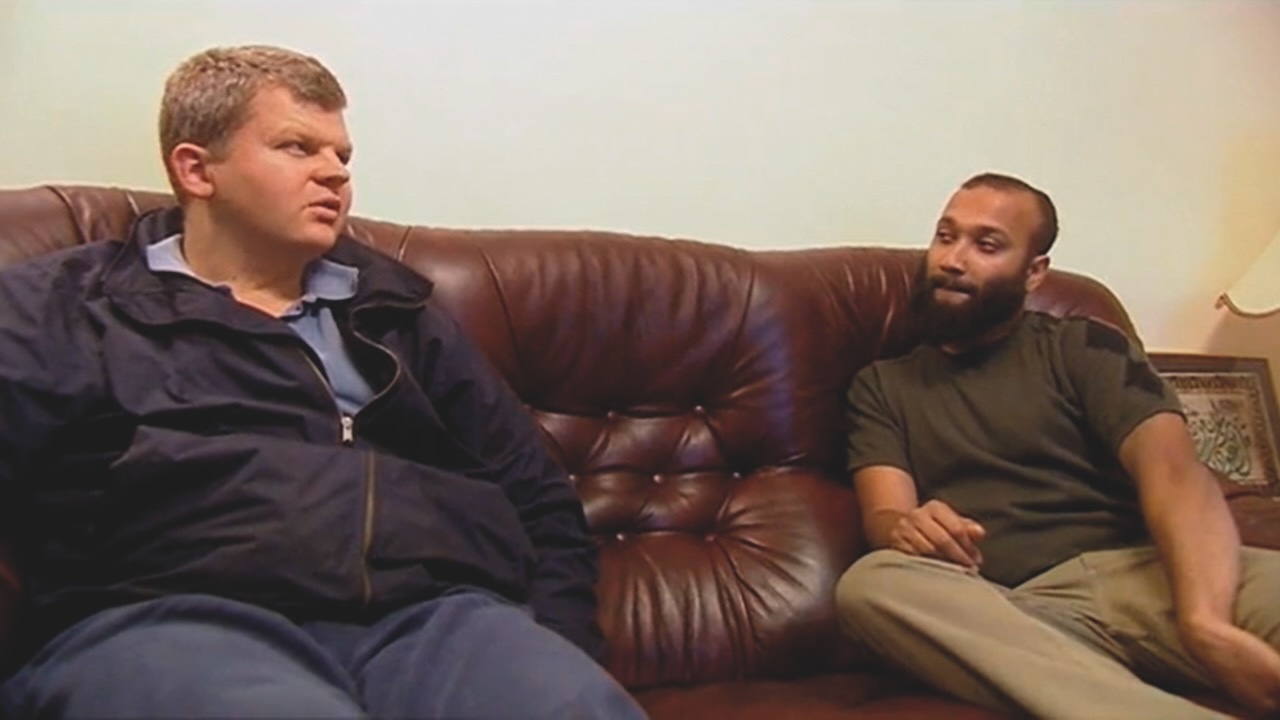
25 and Under: An Introduction to Constructed, Told, Spoken
An introduction to this season, hosted by season curator Xavier Alexandre Pillai.
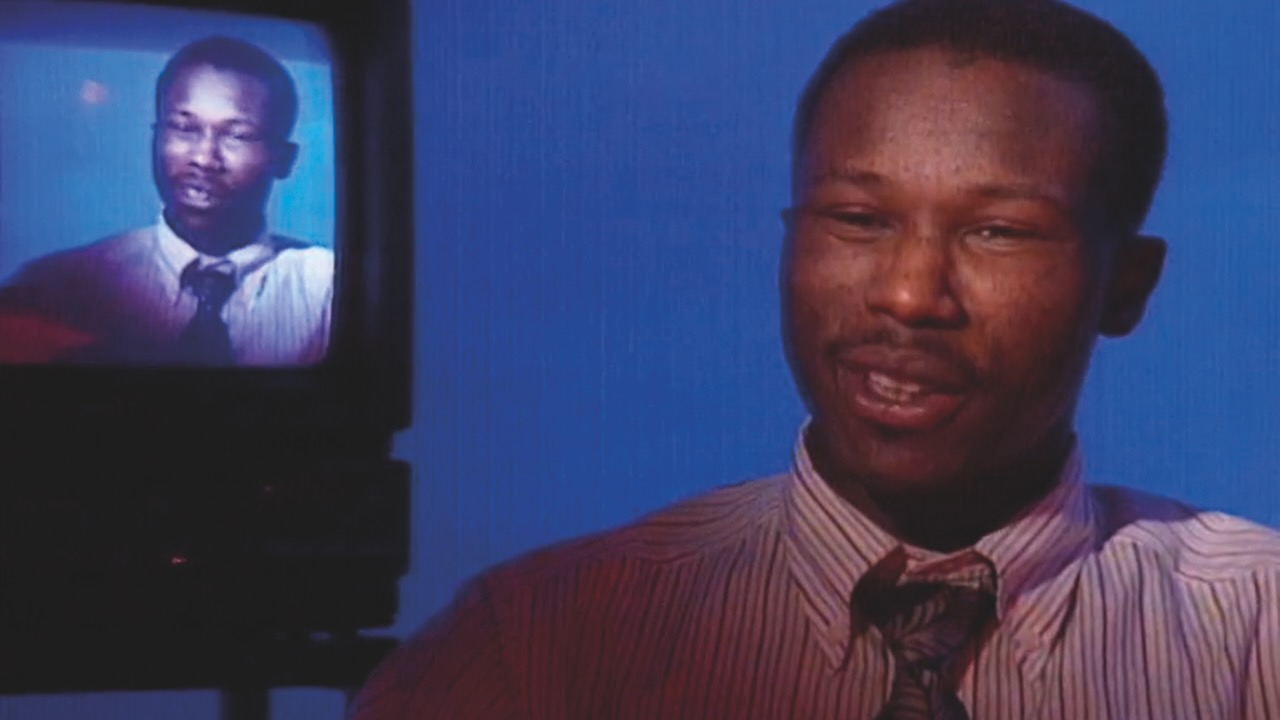
Black Queer Lives in the Archive
Jason Okundaye discusses queer-focused media in the multicultural corpus.
Early Multicultural Television
Early Multicultural Television was created to help new British migrants integrate in the country.
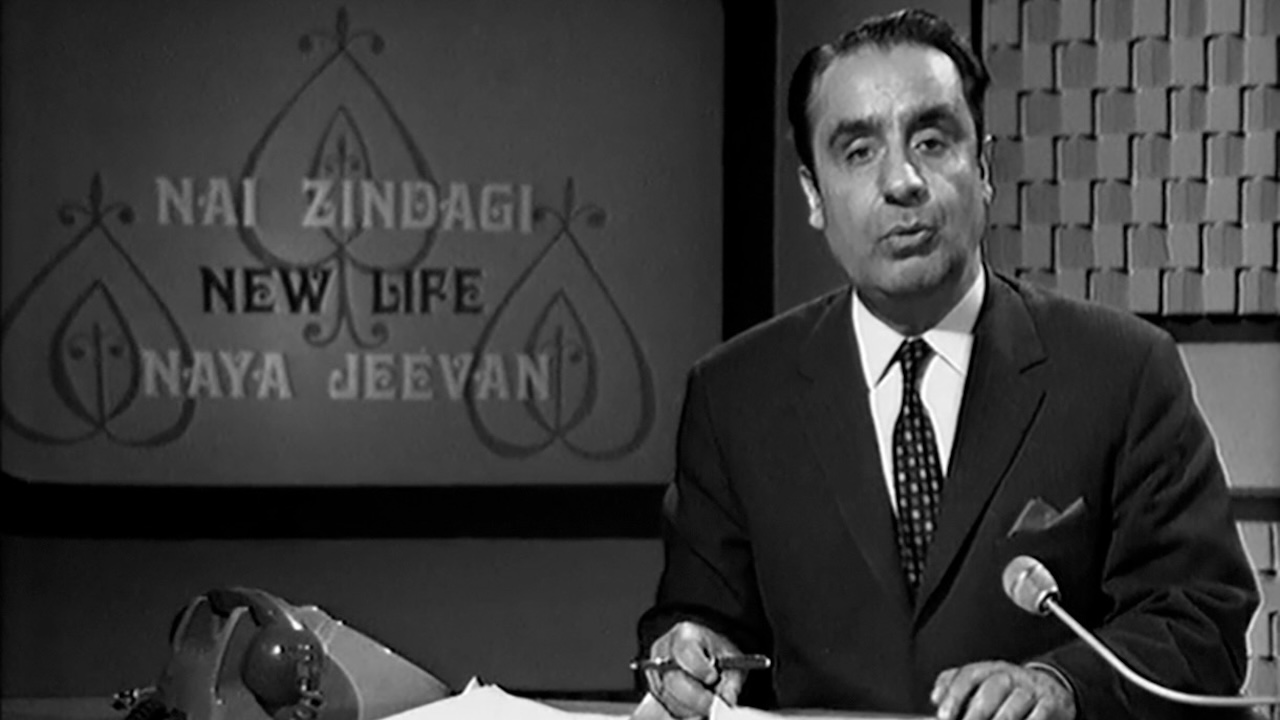
Assimilationist TV + intro by Sarita Malik, Professor of Media and Culture, Brunel University of London
Early multicultural television was initiated by the state to aid integration and provides a fascinating insight into the movement.
Open Access and Campaigning
Mirroring America, open access programming arrived on British screens in the 1970s. Various community groups used the slots to hold state institutions accountable.
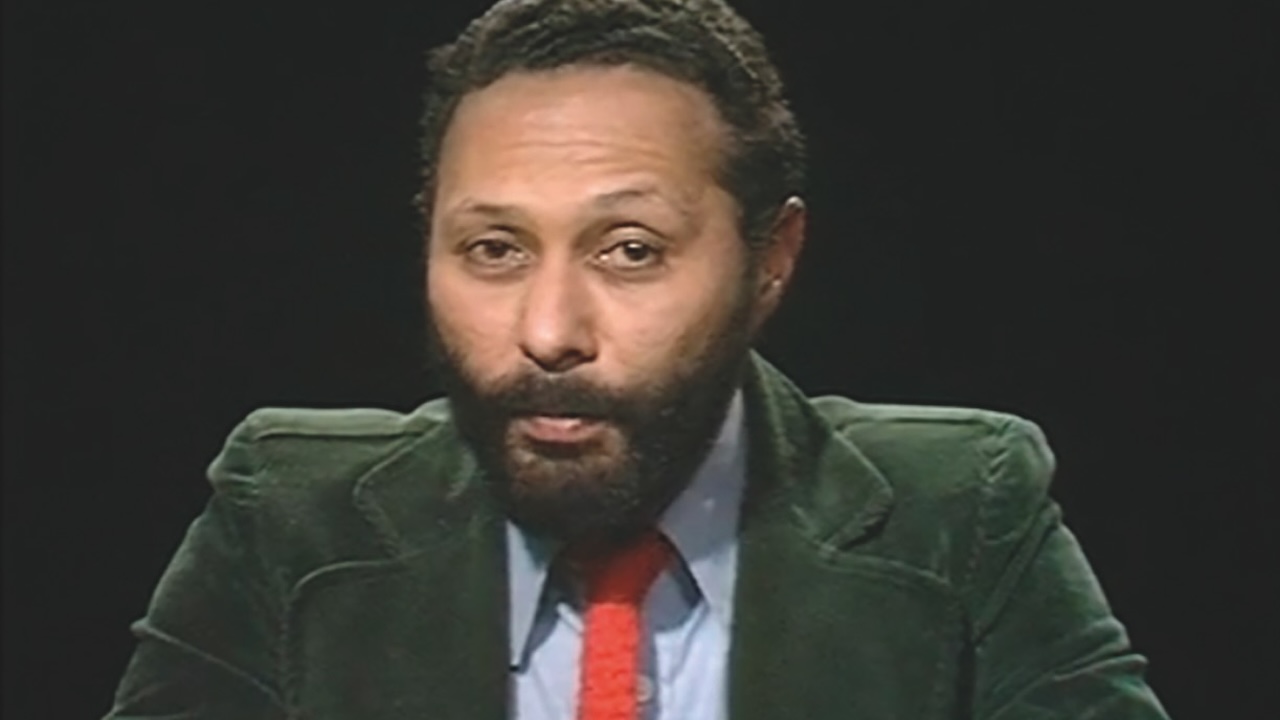
Reflecting on Stuart Hall’s Impact in association with the Stuart Hall Foundation + discussion
We look back on the impact of Professor Stuart Hall with this screening and discussion, in collaboration with the Stuart Hall Foundation.
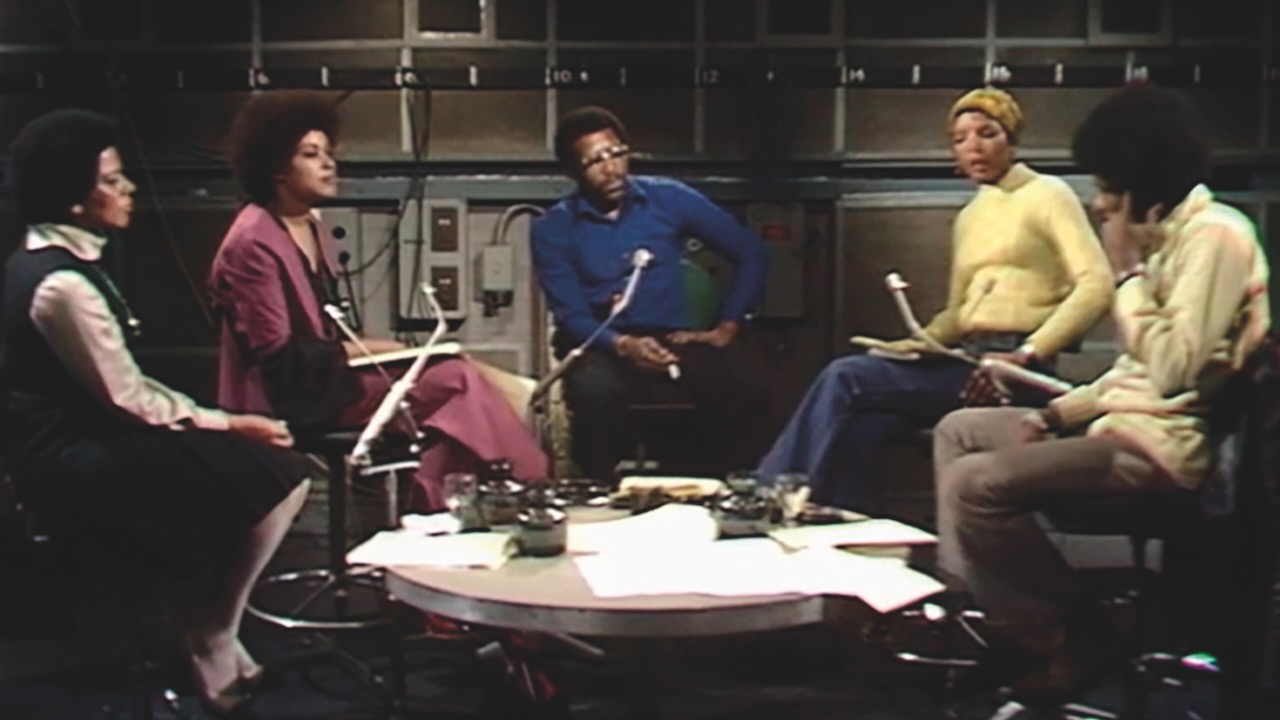
Open Door
When Community Access television reached Britain’s shores it became an outlet for campaigners who would help to establish multicultural representation on TV.
The Units Emerge
In the 1980s multicultural programming units emerge. Initially with a Politically Black approach Asian and Black issues were unified under the same programmes. Eventually, these programmes separated to address the specific concerns of each ethnic group.
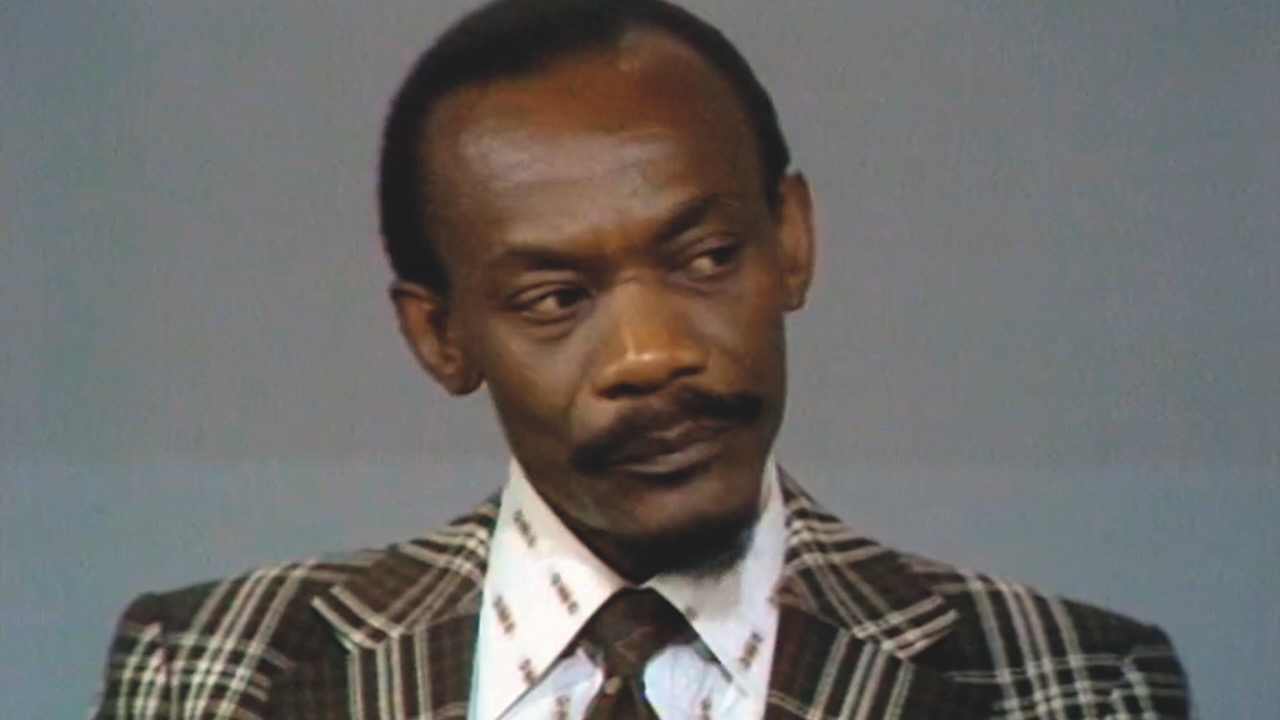
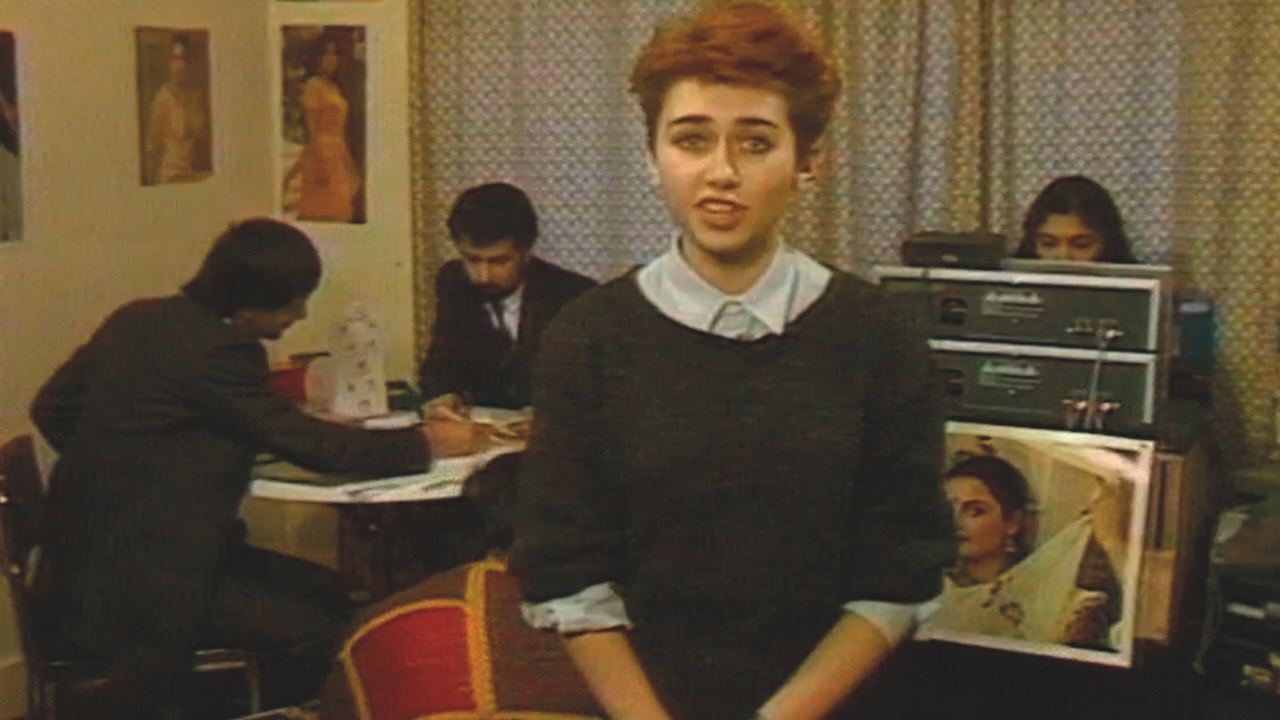
Multicultural TV on Channel 4
When Channel 4 arrived as the new channel it had multicultural programming built into its programming. We look at two of its earliest and biggest shows.
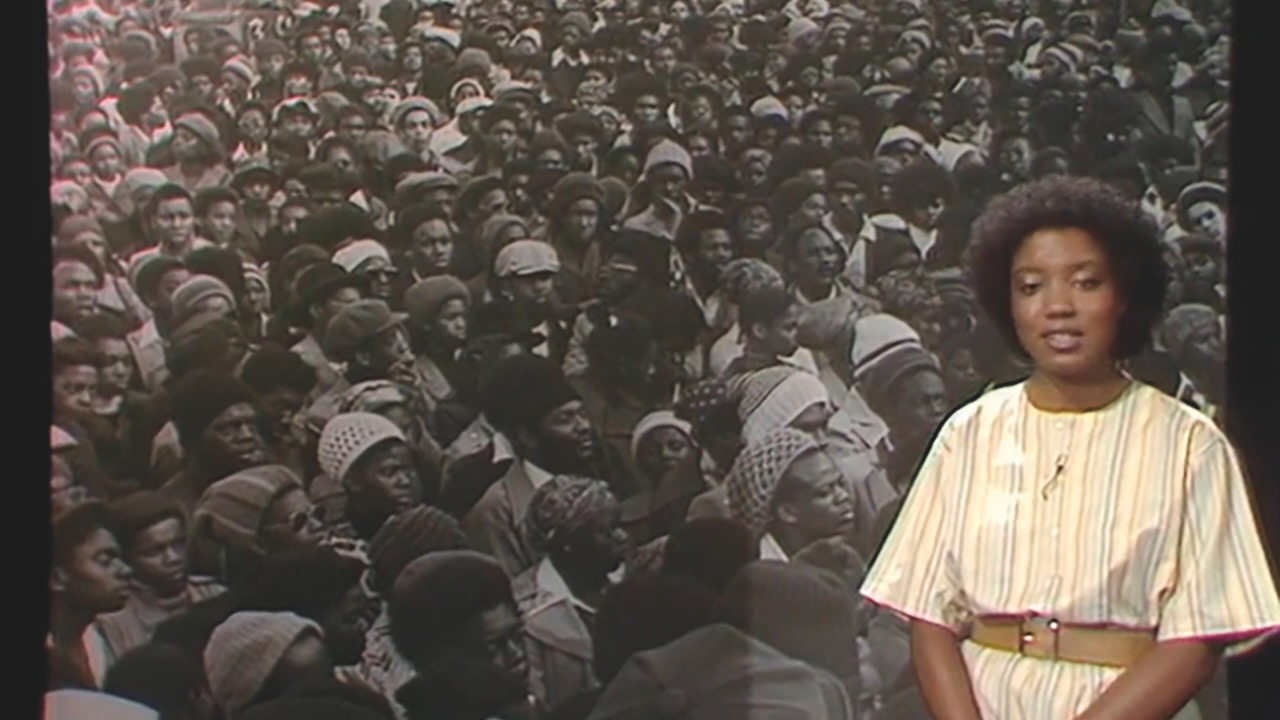
Multicultural TV on the BBC
To rival Channel 4, the BBC established its own multicultural units. We revisit their output.
From New Cross to Non-Alignment
Multicultural programming embodied resistance, protecting the sociopolitical position of minorities in Britain. At the same time, it developed an outward view reporting across culture and global liberation through the lens of non-aligned politics.
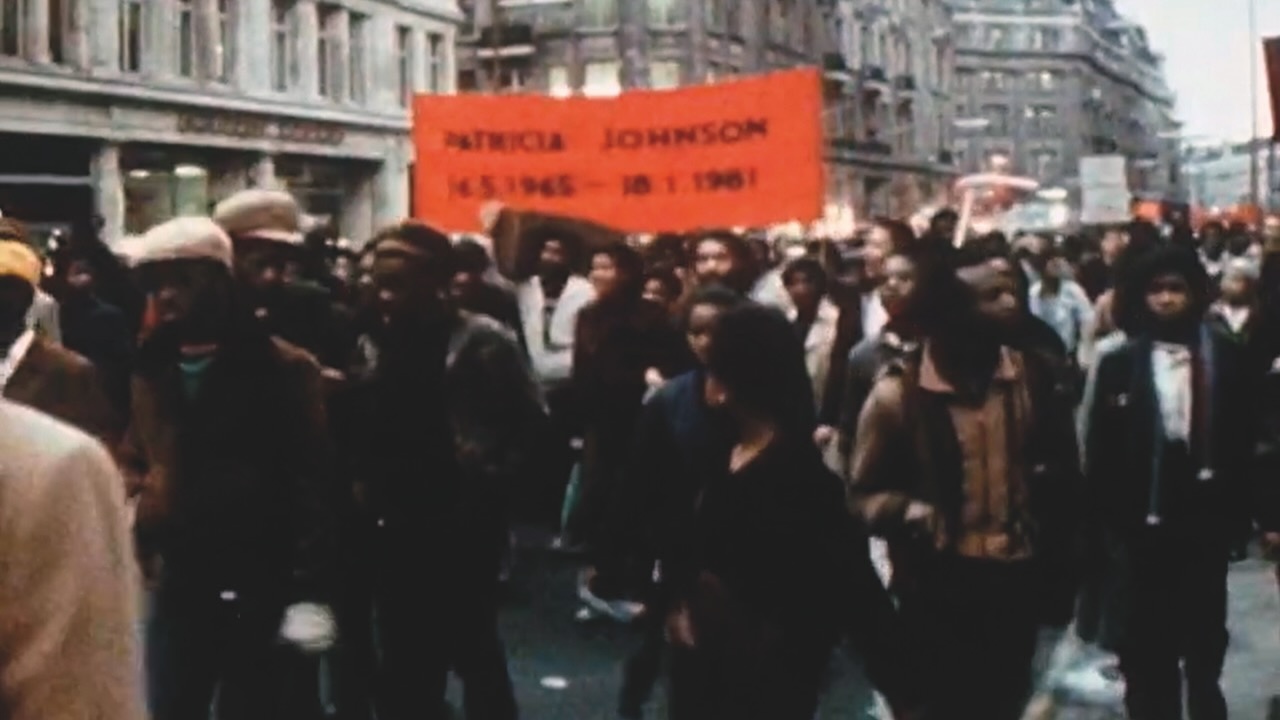
A Focus on Skin + intro by season curator Xavier Alexandre Pillai
Skin’s documentary output chronicles some of the most important junctures of Black and Asian British life.
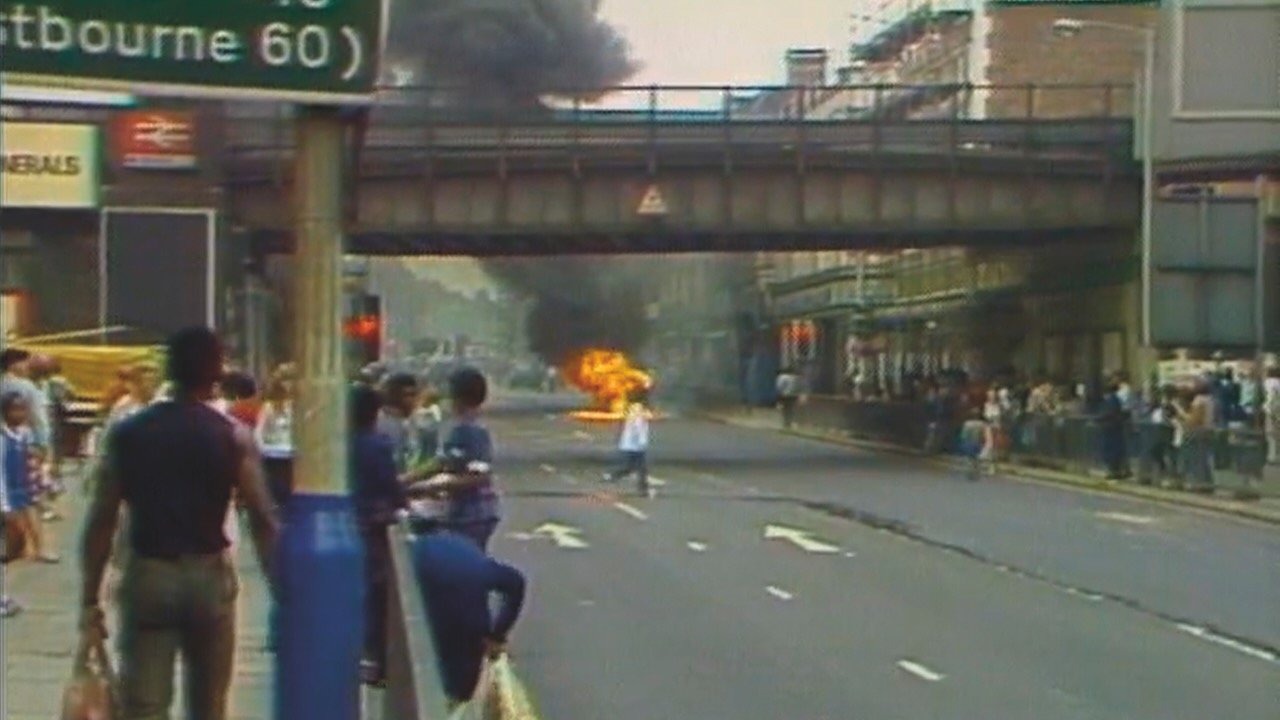
The Revolution Was Televised
Successive uprisings across Britain responded to a climate of hostile policing. We review these actions through the lens of multicultural reporting.
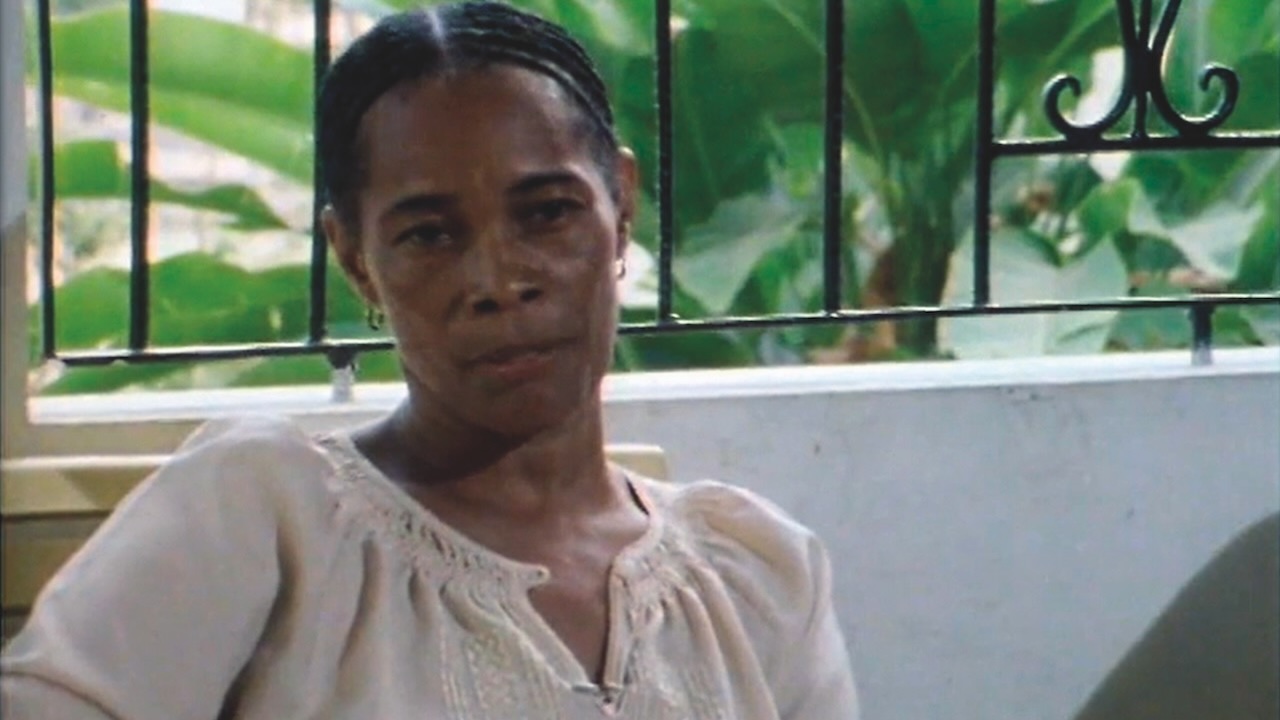
Re-connecting the Diaspora
Multicultural TV served as a point of reconnection between Black and Asian Britons and their nations of origin.
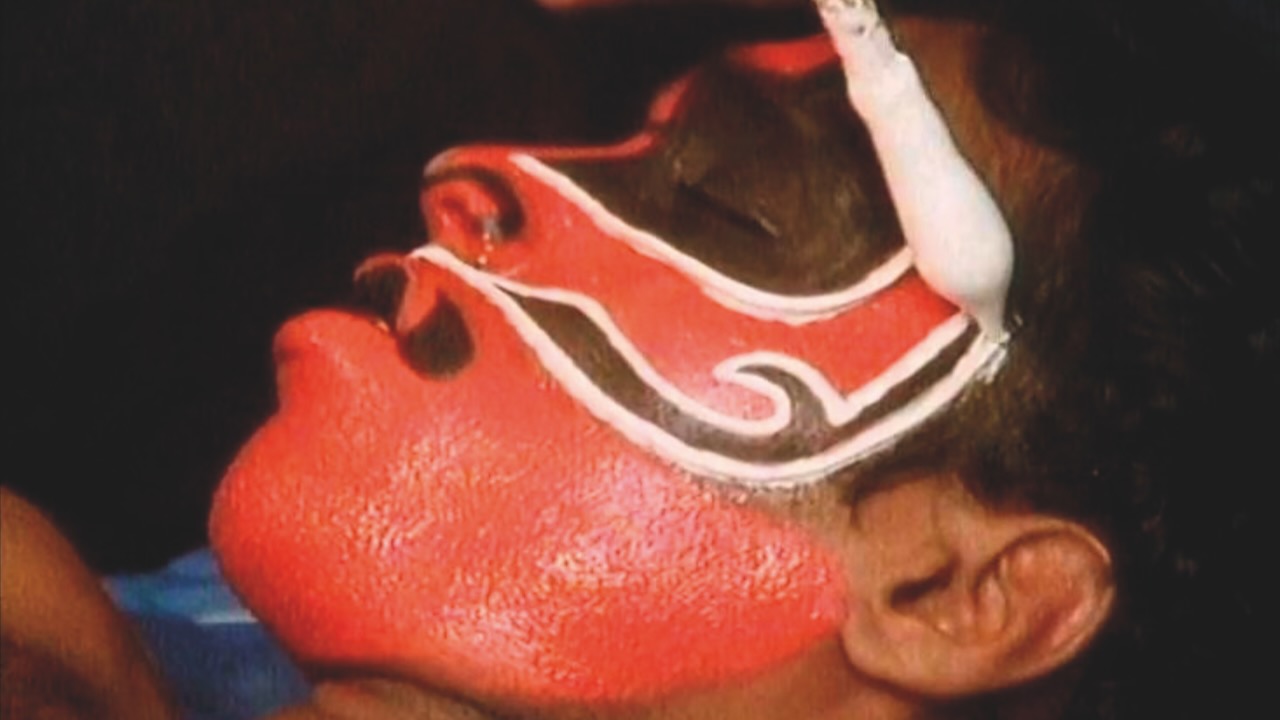
Arts and Multiculturalism
We look at the artistic and social spaces created by multicultural communities and documented by multicultural TV.
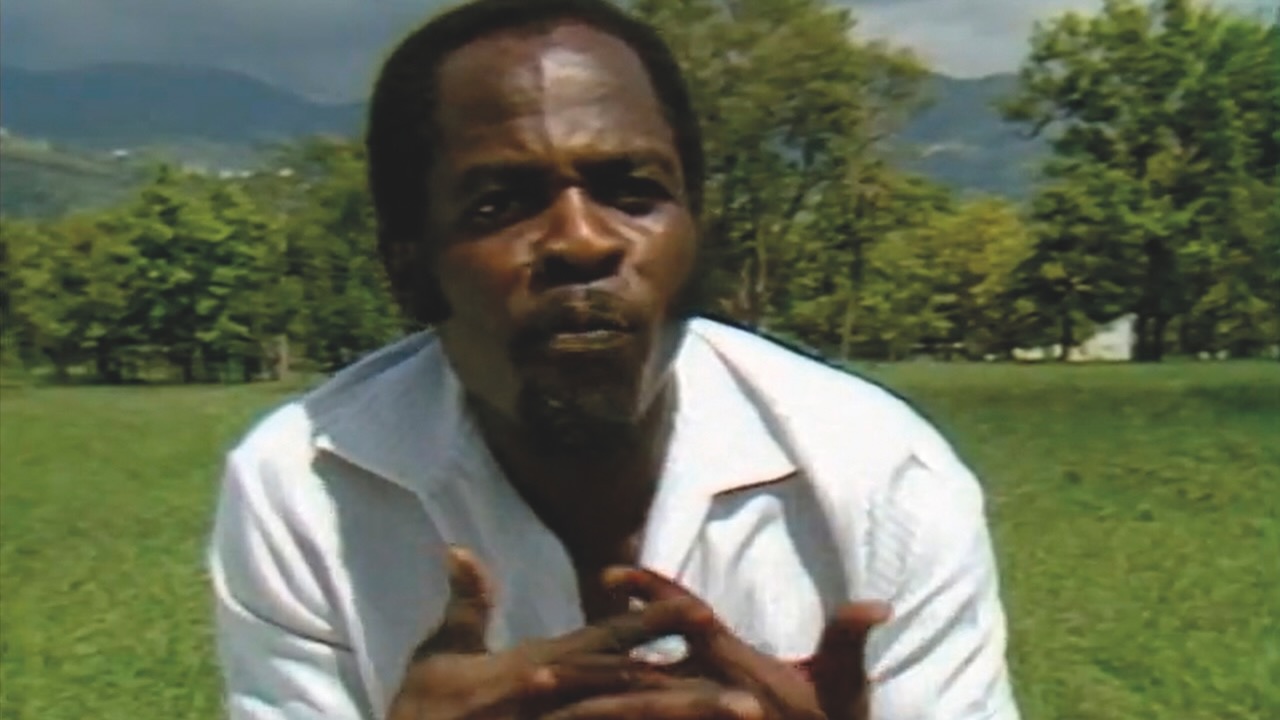
Liberation Struggles
Multicultural television traced and covered liberation struggles through the lens of non-aligned politics.
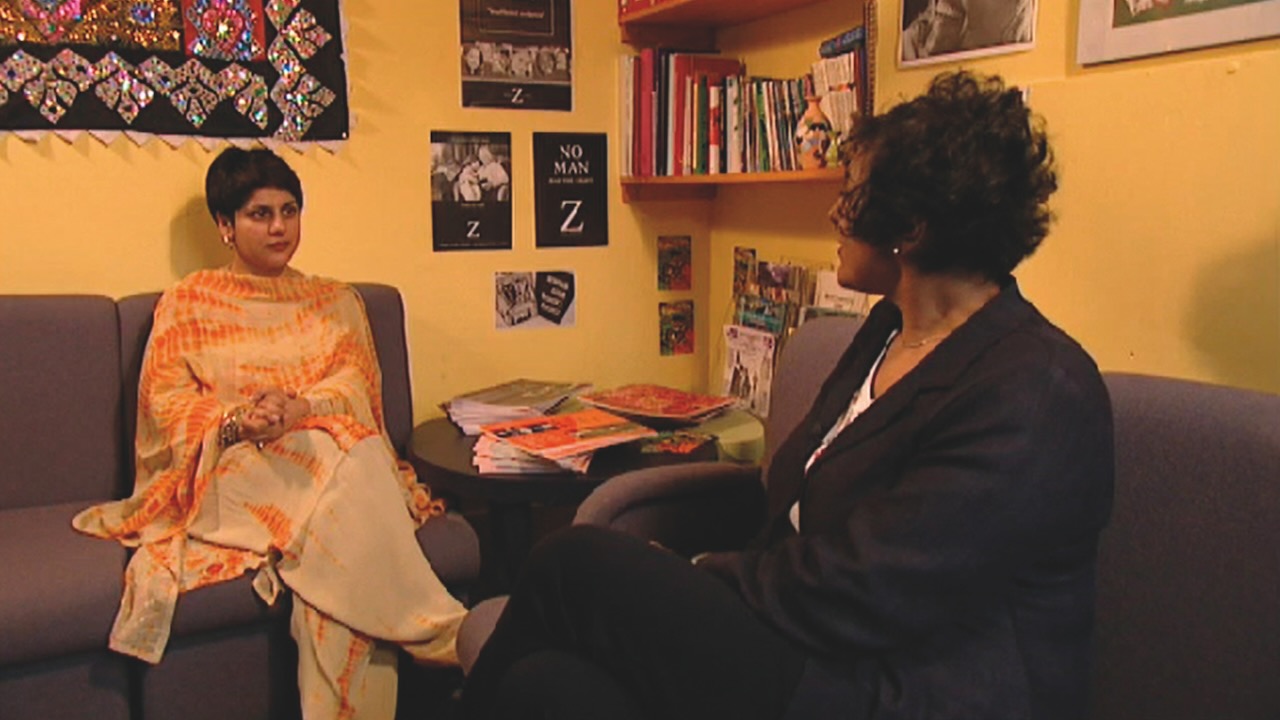
Representation of Women on Multicultural TV
Across multicultural television there were layered and, at times, insufficient portrayals of the lives of women.
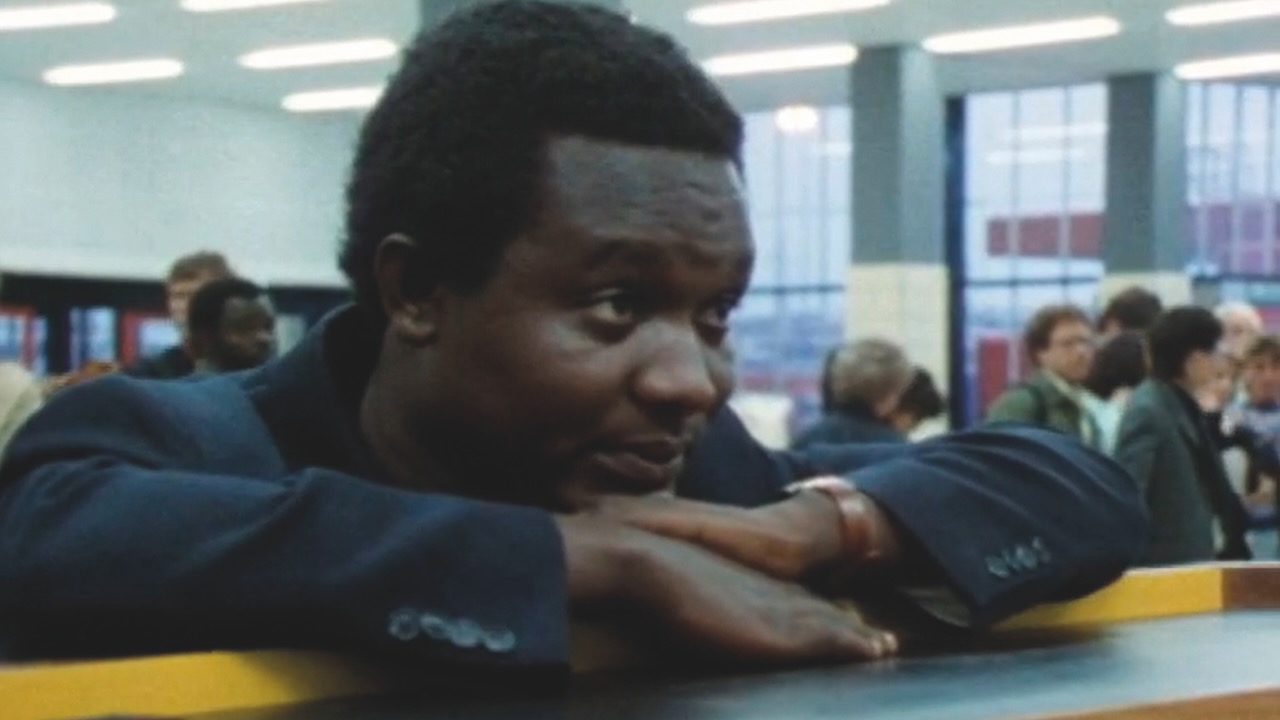
A Focus on the Bandung File + extended intro with Tariq Ali and film programmer Matthew Barrington in conversation
The Bandung File was perhaps the most famous show to emerge from the multicultural movement. We look at some of its highlights.
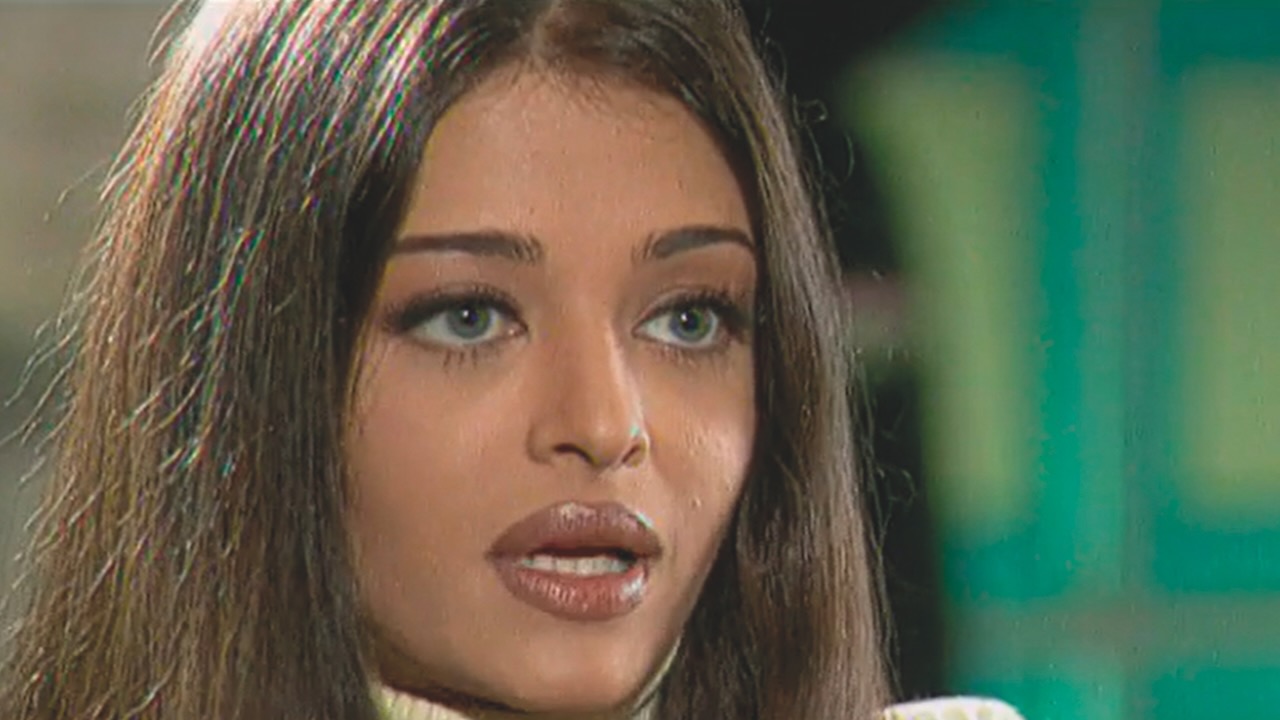
Multiculturalism Goes Mainstream
A look back at the moment the programming began to shift to a more populist approach.
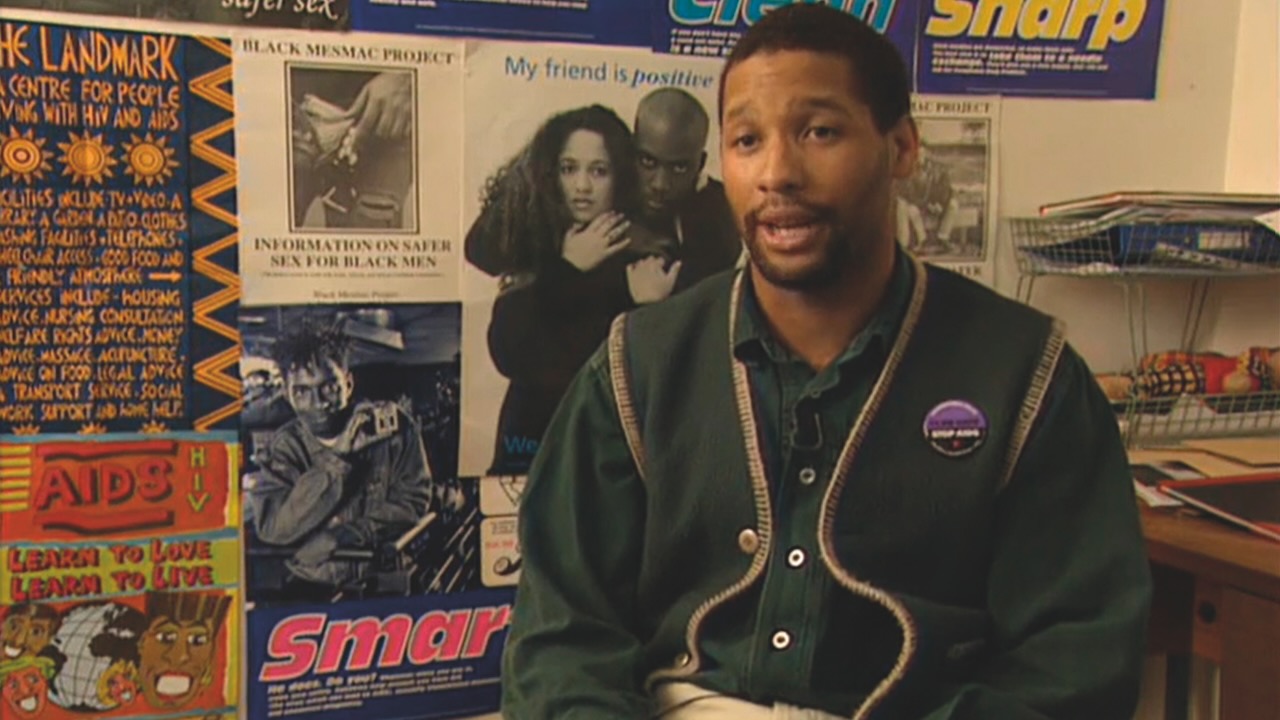
On the Margins
We observe the sensationalising of vulnerable groups in multicultural communities.
Legacy in ‘Post-Racial Britain’
In the final period, multicultural units were viewed as no longer necessary by broadcasters as we were in the era of a ‘post-racial’ Britain. Multicultural units were recycled into wider operations at the BBC and Channel 4. Their legacy remains in long-running international documentary strands.
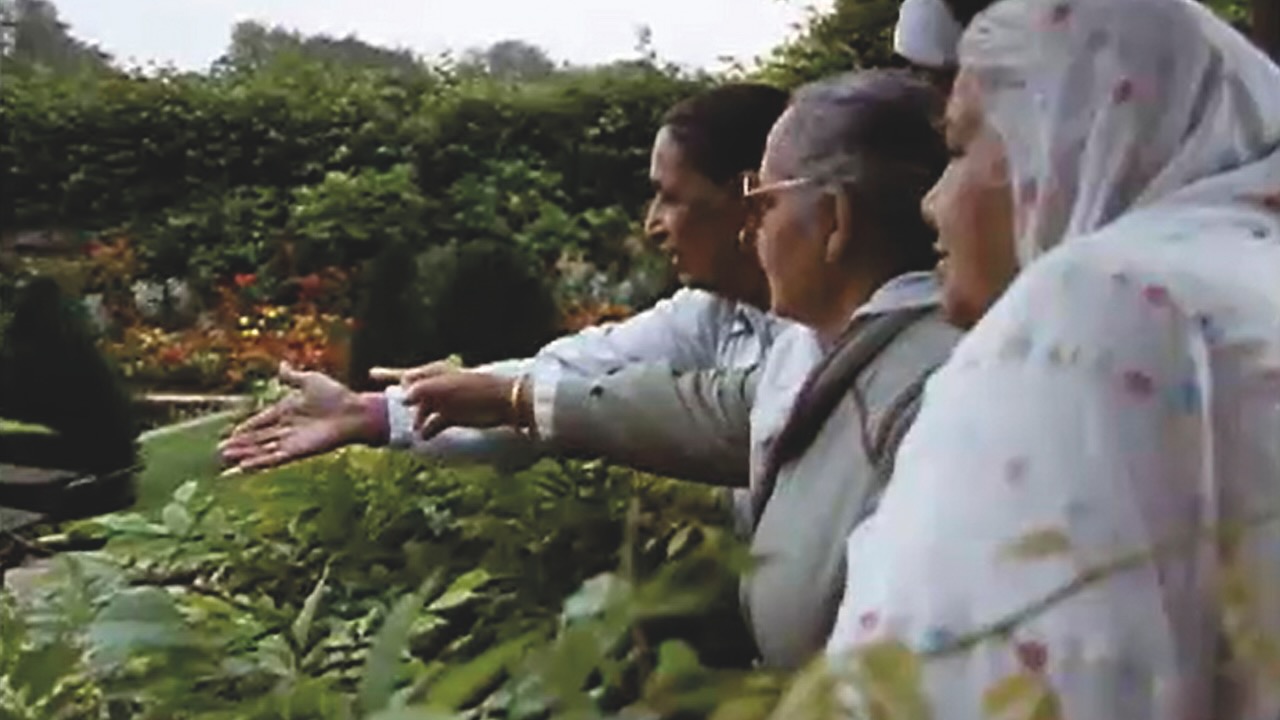
Birthrights: Birth of New Talent + intro by filmmaker Gurinder Chadha
A look at the non-fiction that emerged in the later era of multicultural TV through the Birthrights strand.
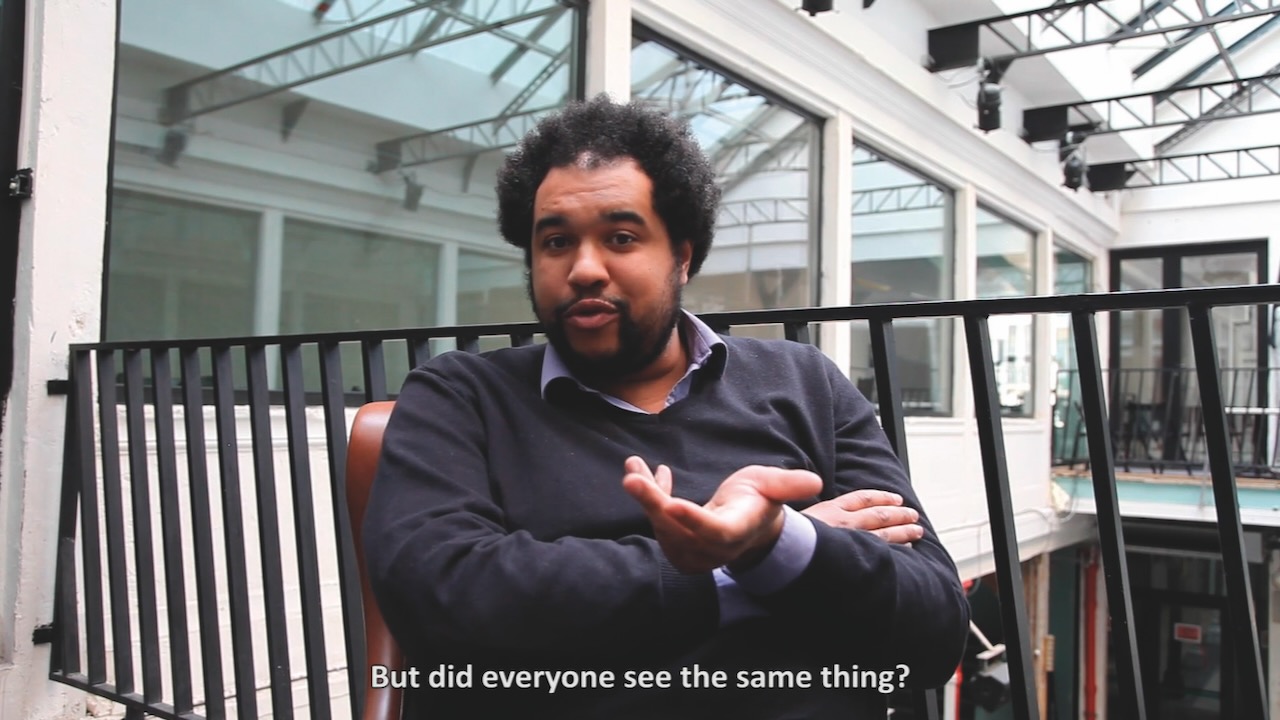
Multicultural TV in Europe + intro by writer and researcher Momtaza Mehri
Europe offered a counterpoint to the UK in race relations. These analyses changed over time to be more focused on personal experiences.
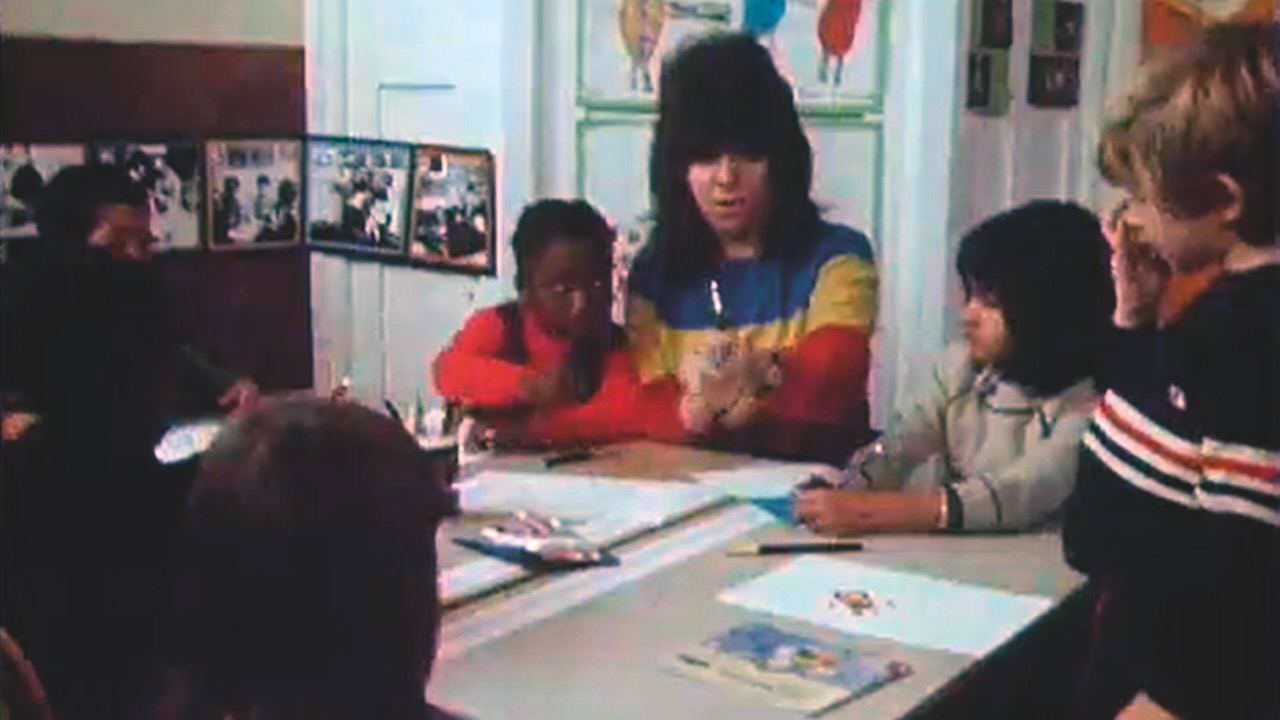
The Subnormal Scandal
The scandal of ESN schools had a lasting legacy in British schools. We look at how education was covered in multicultural programming across these years.
Temporary VAT-reduced rate for children: prices have been adjusted for all under 16’s tickets booked between 25 June and 1 September for screenings during the same period.

BFI Membership
Become a BFI Member from £44 to enjoy priority booking as well as other great benefits all year round.
Join today
Test our new cinemas website
Visit our Beta (a test website) for a sneak peek while we build. We’d love your feedback.
Try our beta service

BFI Player
See something different
Stream hand-picked films from £6.99 per month.
Start with 14 days free

